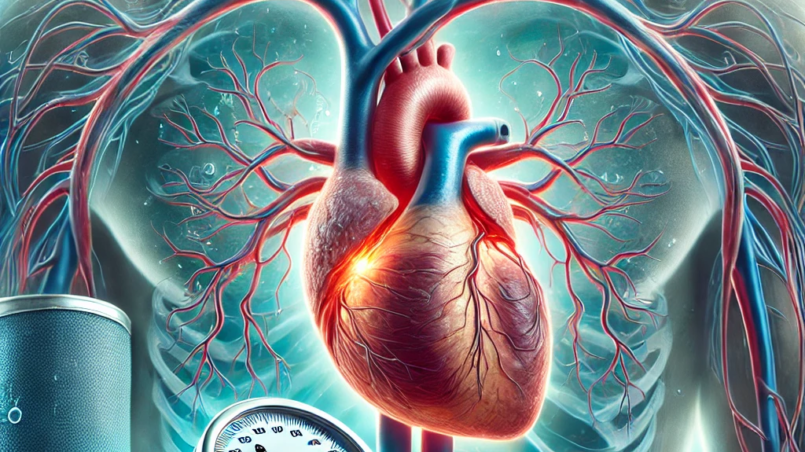
Hypertension is no longer a medical jargon but has become a household term. The World Health Organisation (WHO) states that 220 million people, in India alone, and an estimated 1.28 billion adults aged 30–79 years worldwide, suffer from hypertension. Around 46% of the people are unaware that they have it which is why it’s often called the “SILENT KILLER”. It usually shows no obvious symptoms but can lead to serious complications if left untreated. With such a high prevalence rate, all of us must have a brief idea about it. Let’s try to understand this notorious disease in simple terms.
I’m sure you all have a lot of questions about it. So let’s try to uncover its hidden nature in the following headings:
What exactly is hypertension?
Hypertension or high blood pressure is when the pressure in your blood vessels is too high (130/80 mmHg or higher). “What does this mean?”, you may ask. Let’s break it down.
As you know our heart pumps blood that circulates throughout the body through channels called blood vessels which majorly includes- arteries, veins and capillaries.
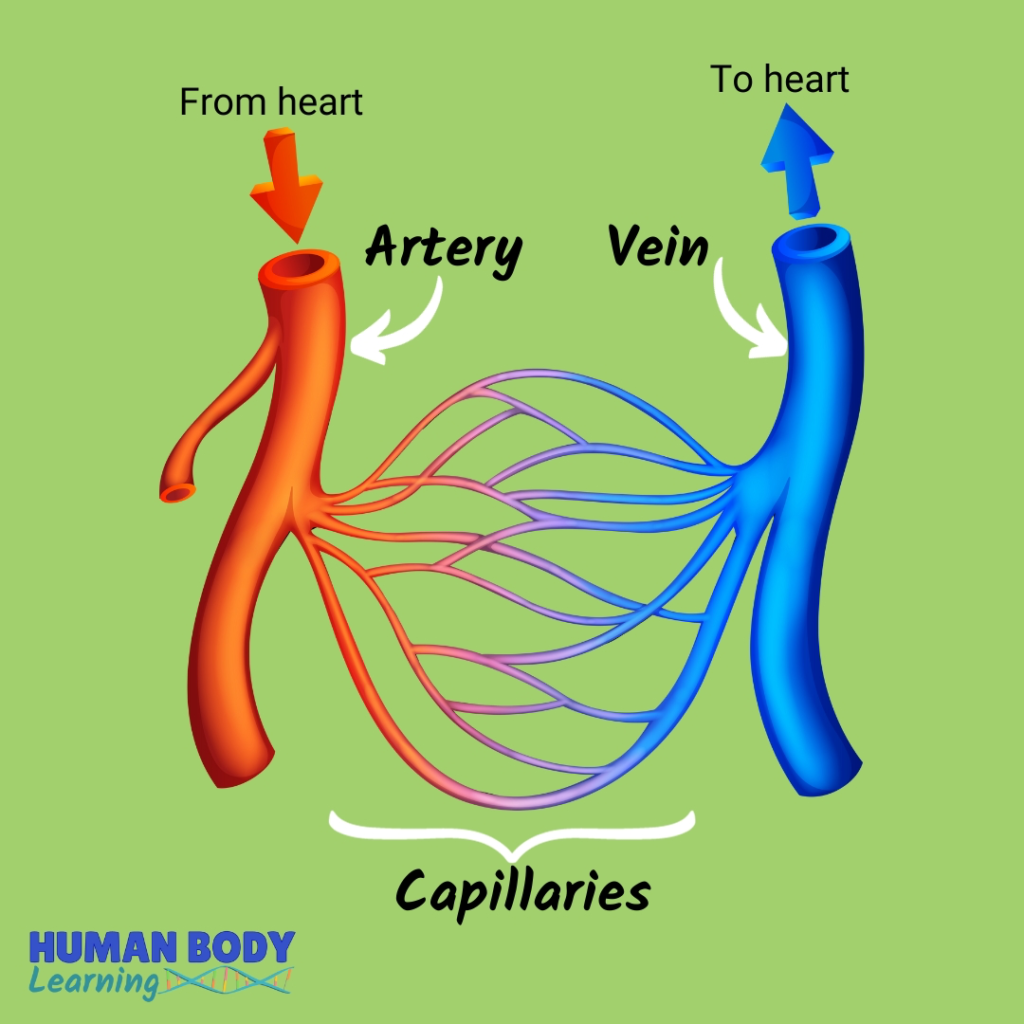
Arteries – They are high-pressure channels that carry oxygen-rich blood away from the heart and towards the rest of the body.
Veins – They are lower-pressure channels that bring oxygen- deficient blood back to the heart.
Capillaries – They are thin-walled channels where oxygen and nutrients get exchanged with tissues.
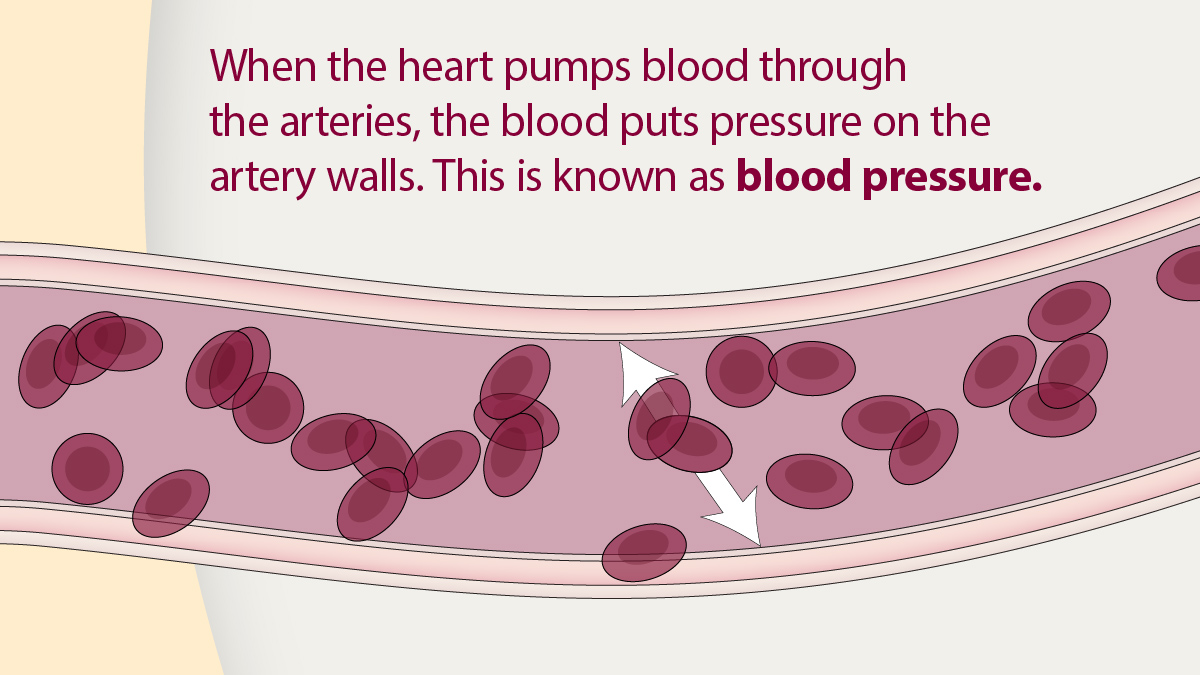
When blood passes through the vessels, it exerts a force on the walls of these blood vessels called blood pressure. When we say ‘blood pressure’ we refer to arterial blood pressure. This is because arterial pressure is much higher than venous pressure as arteries need to push blood forcefully to reach all organs. Arterial blood pressure is an indicator of how well the heart is pumping blood. Veins on the other hand return blood back to the heart. They are lower-pressure channels.
How do I know if I have it?
Measuring your blood pressure is the only way to know whether you have Hypertension. It has no warning signs or symptoms. Most people with hypertension don’t feel any symptoms.
Measurement of blood pressure:
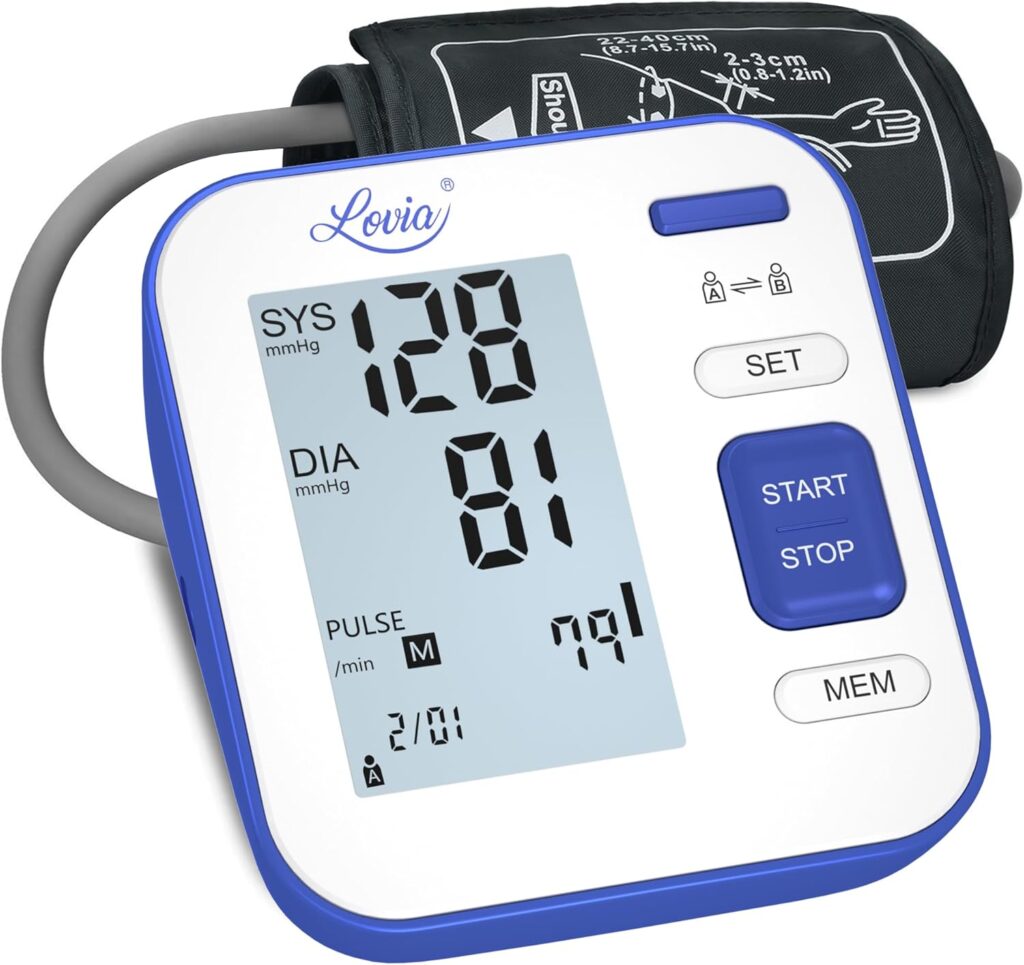
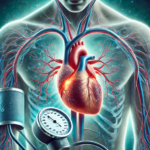
Blood pressure is measured in millimetres of mercury (mm Hg) using a device called a sphygmomanometer. A blood pressure reading has two numbers.
- Top number, called the systolic blood pressure (SBP). The first, or upper, number measures the pressure in the arteries when the heart beats.
- Bottom number, called the diastolic pressure (DBP). The second, or lower, number measures the pressure in the arteries between heartbeats.
In hypertension, the blood pressure is usually above 130/80 mm Hg where 130 (top number) is the SBP and 80 (bottom number) is the DBP.
Stages of hypertension:
According to the recent guidelines set by the American Heart Association, the American College of Cardiology, and nine other health organizations the grading is as follows:

How can I check my own blood pressure?
You can check your blood pressure at :
- At a hospital by health professionals
- With a home blood pressure monitor that you can use yourself
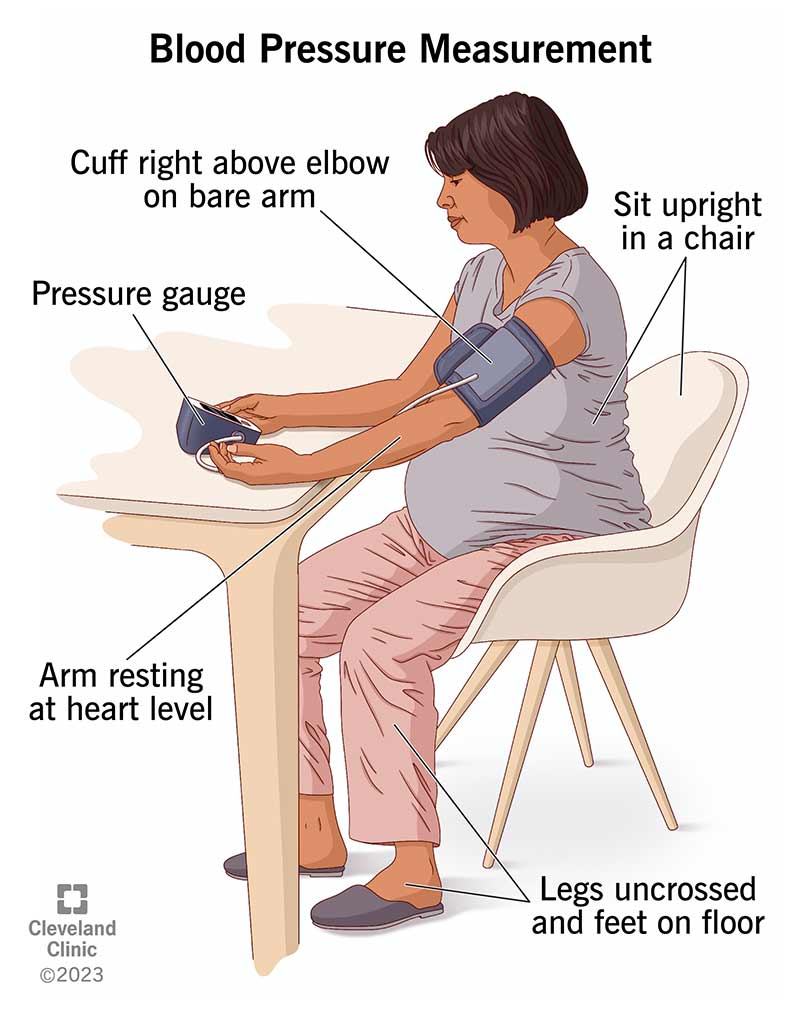
If you have a home blood pressure monitor, here are the precautions you need to take before using it:
- Don’t eat or drink anything 30 minutes before measuring your blood pressure
- Make sure to empty your bladder before your reading
- Sit with your back supported on the chair for at least 5 minutes before your reading
- Put both feet flat on the ground
- Rest your arm on a table at chest height and put the cuff around it. The cuff should be over your bare skin and not over clothes
- Make sure the cuff is neither too loose nor too tight
- Do not talk while your blood pressure is being taken
- Keep a log to record your bp for a week and take your readings at the same time everyday. Take at least 2 readings in the morning, 1 or 2 minutes apart and again once in the evening. Take an average of the readings.
- If after a week of measuring, the average is consistently above 130/80 visit a health professional
What are the risk factors for it?
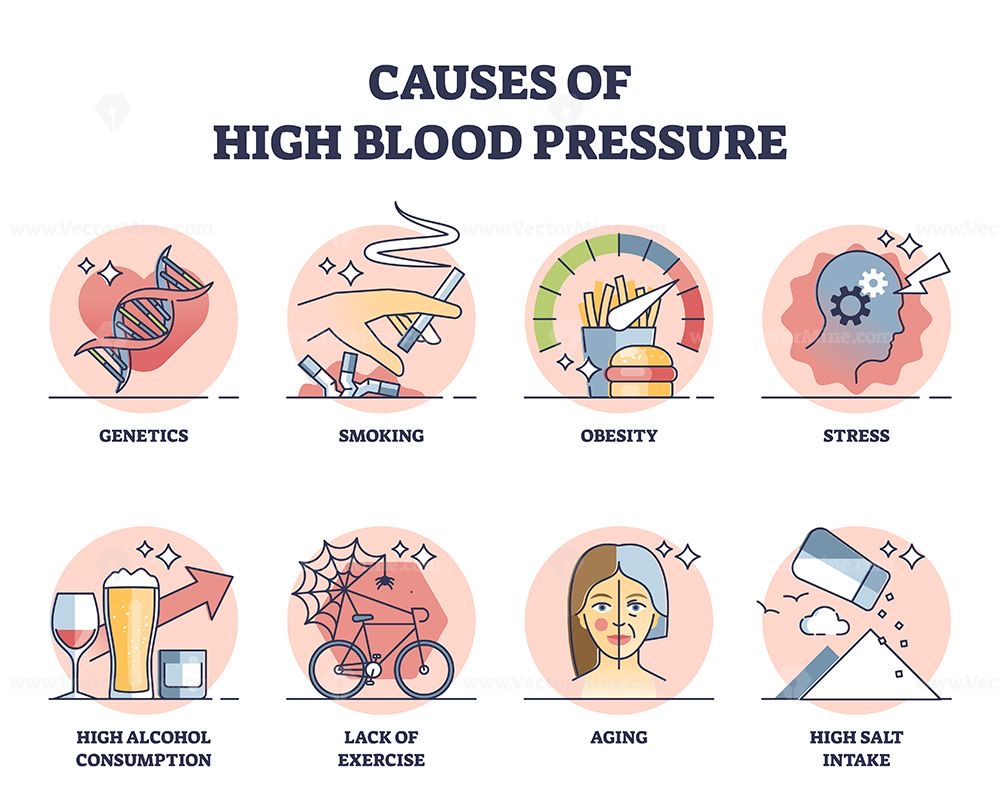
Hypertension can result from a combination of lifestyle, genetic, and medical factors. Some of these can be controlled while the others can’t.
Modifiable Risk Factors: these can be controlled
- Unhealthy diet: high sodium, high saturated and trans fat diet can overtime lead to hypertension
- Lack of physical exercise
- Stress
- Excessive alcohol consumption
- Use of tobacco
- Obesity
Non-Modifiable Risk Factors: these can not be controlled
- Age: the risk of hypertension increases with age
- Family history of hypertension
- Race : certain racial groups like Black adults are at a higher risk
- Medical conditions like: kidney disease, diabetes
- Pregnancy
Why should I worry about it?
Hypertension when left undetected and untreated can lead to life threatening complications like heart attack and stroke. Some of the main complications include:

- Damage and narrowing of arteries- which leads to less blood flow throughout the body.
- Less blood flow to the heart can lead to chest pain, called angina. It can lead to irregular heart rhythms, called arrhythmias. Or it can lead to a heart attack
- Heart failure
- Stroke- A stroke happens when part of the brain doesn’t get enough oxygen and nutrients.
- Dementia- due to limited blood flow to brain
- Kidney failure- Damaged blood vessels prevent the kidneys from being effective at filtering waste from the blood. This allows dangerous levels of fluid and waste to collect leading to kidney failure.
- Loss of vision- due to damage of blood vessels in the retina
- Erectile dysfunction – due to decreased blood supply to the penis
How can I prevent it?
To prevent hypertension we eliminate the risk factors causing it.
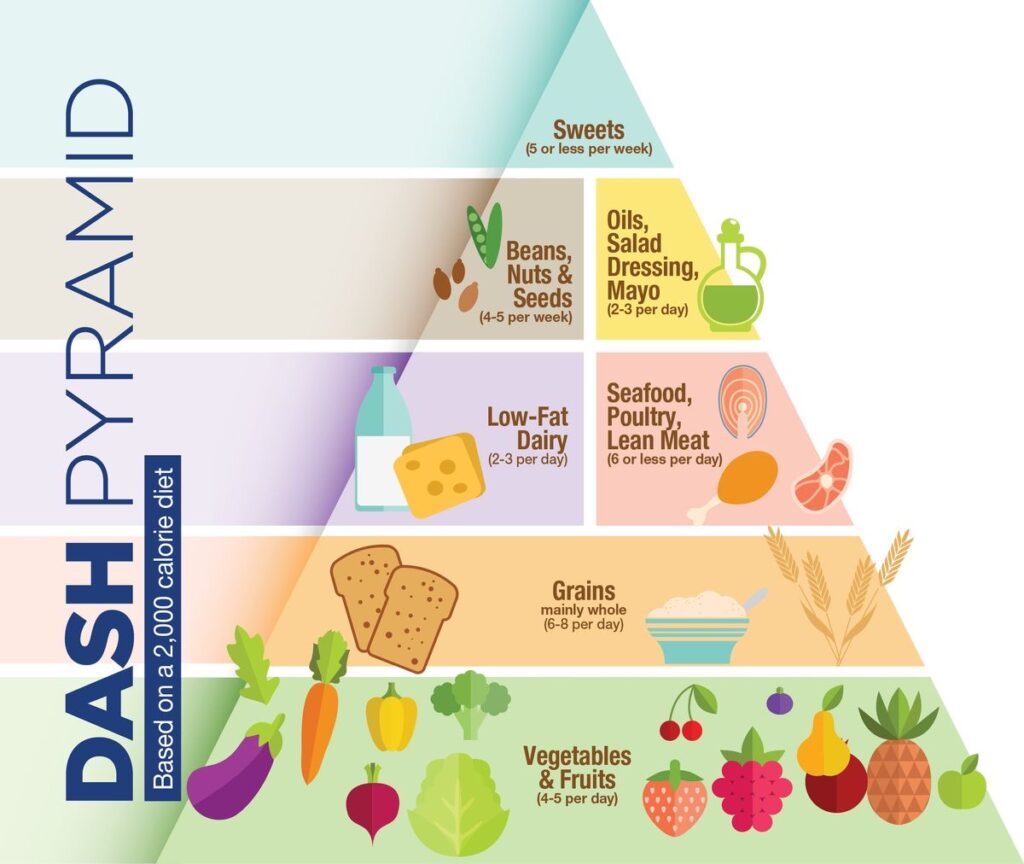
- Eat a healthy diet – consult your nutritionist and make sure to have a healthy balanced diet with no excessive intake of sodium
- Maintain a healthy weight
- Be physically active – at least 150 minutes of aerobic exercise a week with at least 2-3 episodes of strength training
- Do not smoke
- Limit your alcohol intake
- Get a well rested sleep
- Manage stress
- If you’re suffering from other ailments, keep them under control and seek professional help
What if I already have hypertension?
Seek professional medical help. Your doctors would probably advice you all of the above lifestyle changes and give you appropriate medicines depending on your grade of hypertension.
The four 1st line drugs of hypertension are:
- ACE (angiotensin convertase enzyme) inhibitors
- ARBs (angiotensin II receptor blockers)
- CCB ( calcium channel blockers)
- Diuretics
- Take your medications as advised by your doctor . Ask them about the side effects of these medications and any questions you have regarding them.
- Keep a blood pressure log record
- Follow up on your regular check ups
If you follow all these points, you’ll be able to manage your hypertension well.
When to seek emergency help?
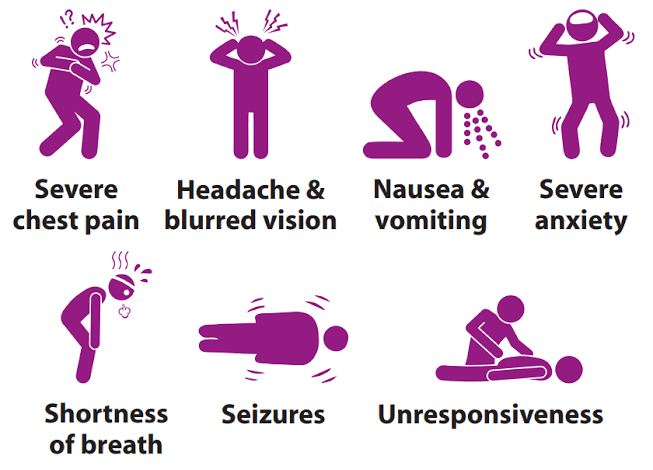
When the blood pressure increases suddenly to 180/120 mm of Hg or greater , you may be having a ‘hypertensive crisis’. This is a medical emergency and can lead to heart attack, stroke or even death. Seek immediate emergency help.
Call your local emergency medical helpline number ( 102/108- India ) if you experience the following:
- Bp of or above 180/120 mm hg
- Anxiety
- Blurred vision
- Chest pain
- Severe headache
- Shortness of breath
- Seizures
- Confusion
- Nausea and vomiting
- Numbness or tingling sensation
- Loss of feeling in any part of the body
- Trouble walking or speaking
Conclusion
Hypertension is a notorious disease, the symptoms of which are often missed by individuals due to its silent nature. With the dreadful complications that it can cause if left untreated, it is necessary to prevent, control and manage it. It however is not a death sentence. Life can go on the same way as before if you’ve been diagnosed with hypertension. You just need to follow the necessary steps to keep it under control such as certain lifestyle changes and regular medications.
So have a healthy routine, keep yourself fit and you’ll have nothing to worry about!



Wow so informative
This saved my life
Amazing, so educational
Amazing! so educational! Very well written
Very well explained and informative! Appreciate the valuable health insights.
Didn’t realise so many people are affected by Hypertension. Great read btw!
Excellent Rendition…Structured & Simple…Well Done…
Very well Articulated. Thank you so much.
Amazing! Information, well it’s helpful for our daily life routine. Thanks for this Kiran Dhami.
This was a great read! Was super informative and easy to understand!
Excellent .!! This was super informative Kiran Dhami.
This is a fantastic and well-researched article! The insights you’ve shared are both informative and engaging. Looking forward to reading more of your work in the future!
Great Article!Excellent summary of the current state of hypertension research .very informative and explained very well in detail.
Kiran, your article was exceptionally well-articulated, with deep and thoughtful insights. I truly appreciate the effort and clarity you brought to the topic. Your perspective was engaging, and it’s clear that a lot of thought was poured into it. Keep up the great work!”
Let me know if you’d like me to tailor it further!
Wow really required information useful to present situation in Medical field keep sharing more information
Wow really required information useful to present situation in Medical field keep sharing more information in future
Kiran, your article was exceptionally well-articulated, with deep and thoughtful insights. I truly appreciate the effort and clarity you brought to the topic. Your perspective was engaging, and it’s clear that a lot of thought was poured into it. Keep up the great
This was very informative. Thank you.
Very well written in detail…. Informative….
Excellent,very informative,life saving informations
Excellent, informative, good to know
And this is something one should be aware of…Thank you for jumping in and spreading such information Kiran Dhami… Looking forward to read all such facts for a better life style change…
“Wow! This article is a goldmine of knowledge on hypertension! The way you’ve broken down this ‘silent killer’ with such deep insights and clarity is simply outstanding. It’s not just informative but also eye-opening—everyone needs to read this! Huge respect for your efforts in spreading awareness about such a critical health issue. Keep up the amazing work!”
“This article is an absolute eye-opener! The depth of explanation and clarity in presenting such a crucial health topic is truly commendable. Hypertension is often overlooked, but this write-up makes it impossible to ignore. Everyone needs to read this and take their health seriously! Hats off to the writer for such valuable insights—keep enlightening us with such impactful content!”
“Incredible work! This article doesn’t just inform—it educates and empowers. The way you’ve simplified such a serious health issue while keeping it deeply insightful is truly remarkable. Hypertension is something many ignore until it’s too late, but your article makes it clear why awareness is crucial. Thank you for shedding light on this topic in such a compelling way!”
Very informative and very well explained about hypertension.
So informative for us thank for explaining everything
Thank you so much for your atticle
Thanks for the good information
Very informative and well explained
Informative Content!!!! In this generation and fast-paced world, health care is highly necessary, it would be great if you could publish more and more health-related content.
The article was concise and well organised, appreciate the effort put in.
The article was concise and well organised, appreciate the effort put in
Well written and so informative!
Incredible, Awesome got to know so many information in a simple words,very well articulated.
Amazing, very informative 👍
Awesome Very well explained and informative! Article explained in simple words Appreciate the valuable health insights.
The depth of analysis on Hypertension is commendable and it provides valuable contributions to the ongoing conversation in this field. Looking forward to more updates and discussions on this topic
you go girl!! This is awesome!
Very well explained and informative appreciate the valuable insights
This article provides a thorough overview of hypertension, highlighting the key risk factors and the importance of early detection. I particularly appreciate Kiran Dhami for emphasizing the detailed discussion on lifestyle changes, such as diet and exercise, which are often overlooked in favor of medication alone. It’s refreshing to see a focus on preventative measures, which can help reduce the overall burden of the condition.Great going…keep up the amazing work!!!
Very informative article which helps learn and take care of our health
Excellent . Easily understandable.
Excellent . Easily understandable. 😊
.Easily understandable and saves many lives.
Kiran- Thanks for spreading awareness and encouraging preventive care! Timely article!
Thanks for sharing this helpful content. The focus on healthy habits instead of short-term results is something more blogs should talk about. Weight loss can be overwhelming, but your approach makes it feel achievable and less intimidating for readers.
This was a really helpful article, especially the part about focusing on sustainable habits instead of quick fixes. A lot of people underestimate how small daily changes can make a big difference over time. I also liked the emphasis on consistency rather than perfection, which is something many beginners struggle with. Thanks for sharing practical advice that feels realistic and achievable.
This was a really helpful article, especially the part about focusing on sustainable habits instead of quick fixes. A lot of people underestimate how small daily changes can make a big difference over time. I also liked the emphasis on consistency rather than perfection, which is something many beginners struggle with. Thanks for sharing practical advice that feels realistic and achievable.
I enjoyed reading this post because it focuses on long-term health, not just losing weight quickly. The emphasis on balance, patience, and healthy choices makes this advice much more valuable than typical weight loss articles.